



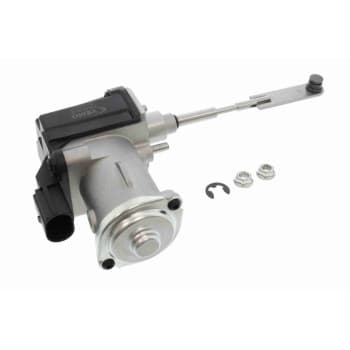



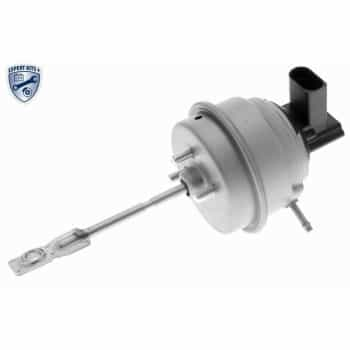


Depending on the car, a turbocharger often lasts a lifetime. In some cases, when a car is used under heavy-duty conditions, the lifespan may be shorter. Problems with the ignition, boost pressure trajectory, lubrication, or turbo pressure regulator can also shorten the lifespan of a turbo.
You can often recognise a worn turbo by the following symptoms:
- Whistling sound
- Oil consumption
- Low power
- High fuel consumption
- Rough idling
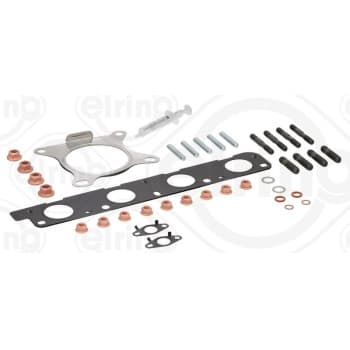
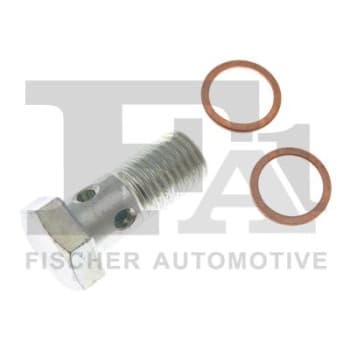
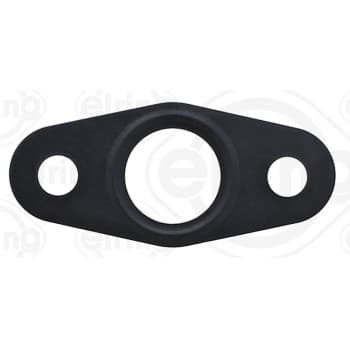
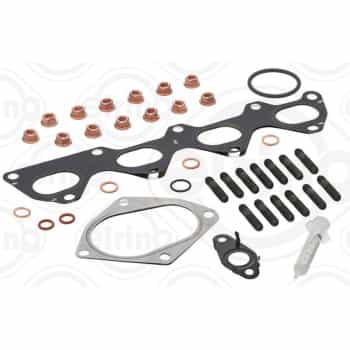
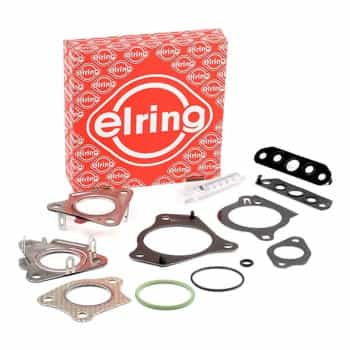
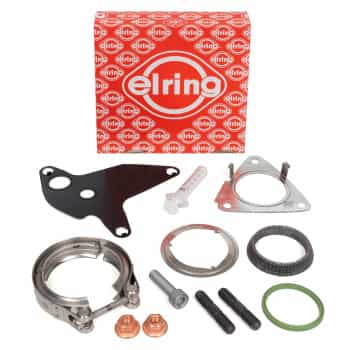
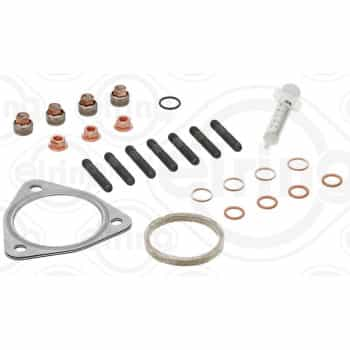
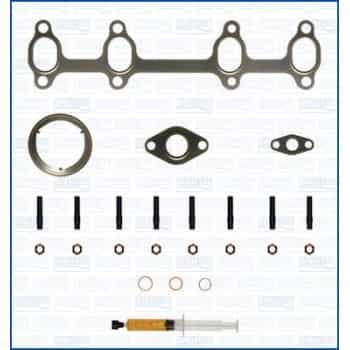
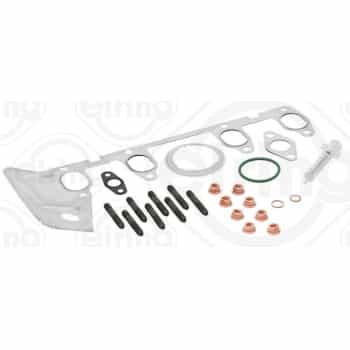
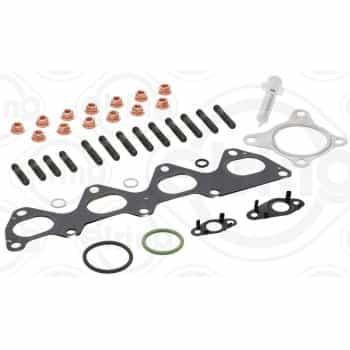
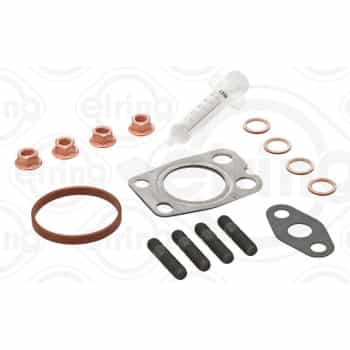
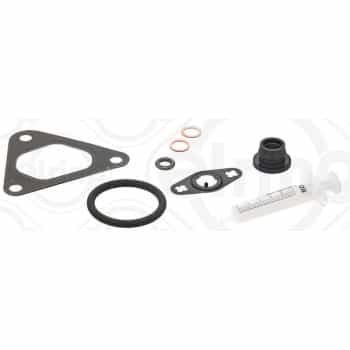
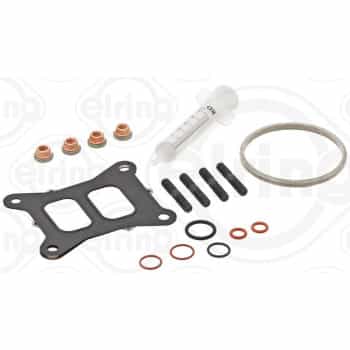
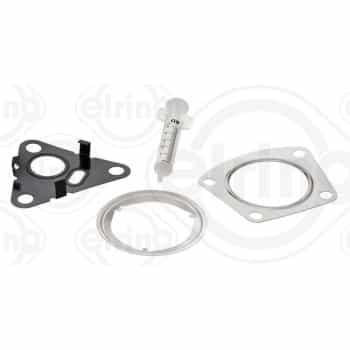
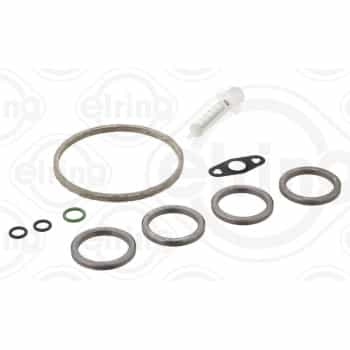
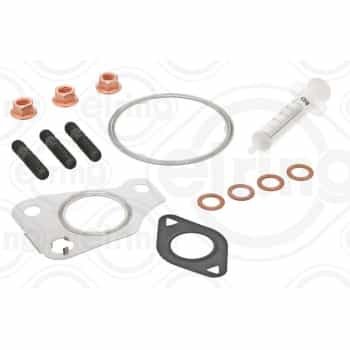
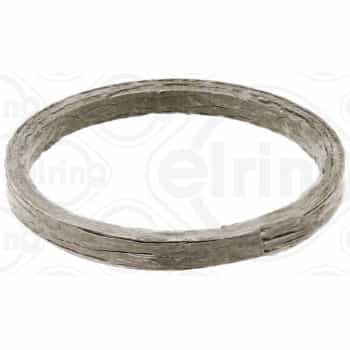
When replacing your turbo, don't forget to order the correct fitting materials. This will prevent the nuts from vibrating loose or leaks from developing along old gaskets.
Once the turbo is fitted, start the engine without ignition first. So, remove the fuel pump fuse so that the engine can turn over a few times without starting. This will build up oil pressure in the system and prevent the turbo from running dry.